What Kids Really Need for Their First Ski Season — and What You Can Skip
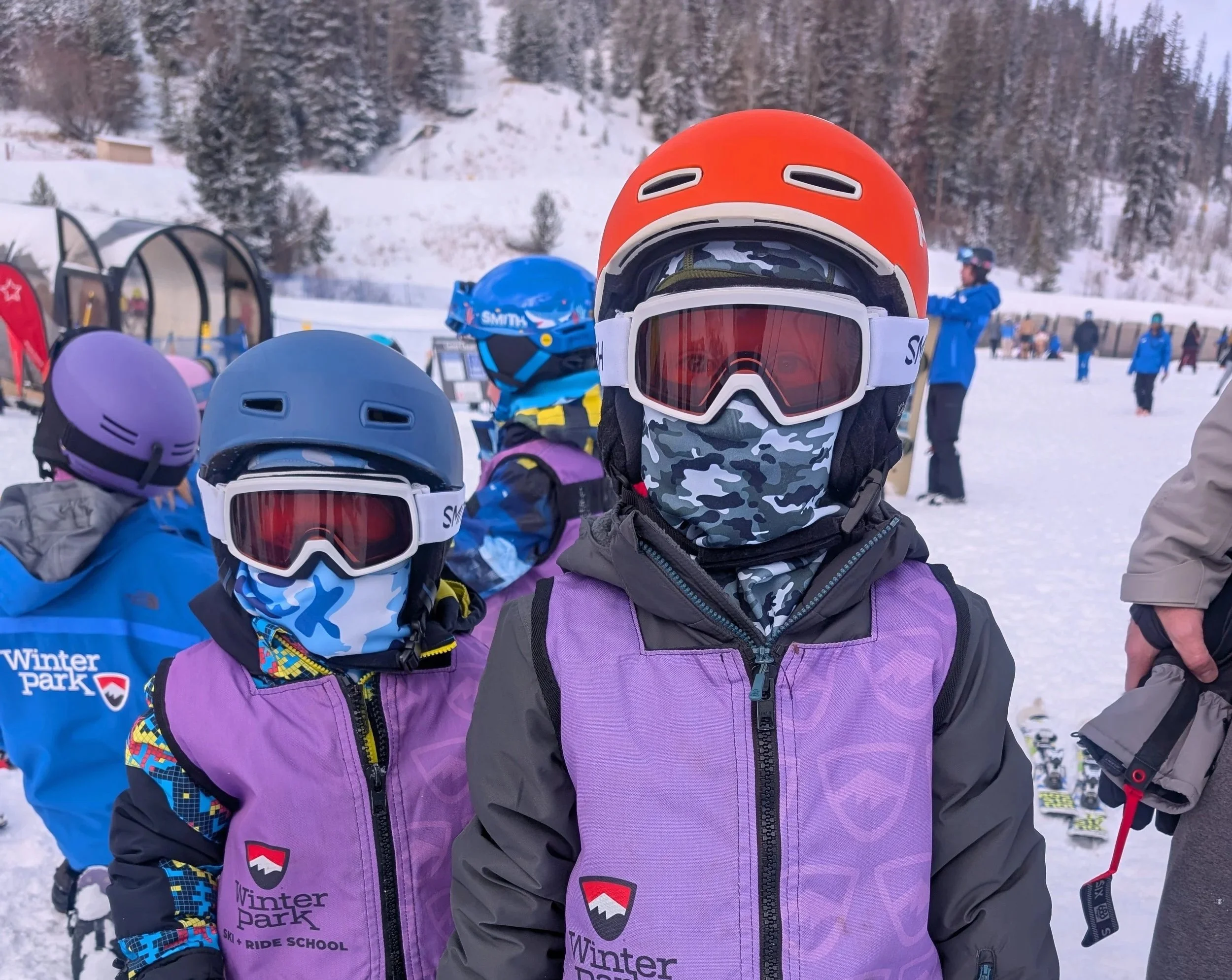
After outfitting two young kids for ski school, I’ve learned what’s worth buying, what makes more sense to rent, and where beginner families can save their money.
Some links in this post are affiliate links, which means The Family Take may earn a small commission if you shop through them, at no extra cost to you.
My husband and I have been skiing since we were kids, but last year was the first time we got our own kids on skis. After moving to Denver, we signed our then-6- and 4-year-old boys up for a four-week ski program at Winter Park.
They’re doing the same program again this year, and this time we know a lot more about what they actually need. I’ve learned what’s worth buying, what makes more sense to rent, and what beginner families can skip.
Here’s our family’s take.
What to Buy
Ski Gloves or Mittens
Keeping little hands warm is essential for comfort on the mountain. For our kids, we chose waterproof, heavy-duty mittens with finger separators for added warmth and mobility.
Whether you choose gloves or mittens, look for something waterproof, well-insulated, and designed specifically for snow. Cold hands can end a ski day quickly.
A few good options include the Columbia Whirlibird III and the Spyder Finn Ski Mittens.
Consider: We also like adding a lightweight glove liner, especially for moments when kids take their outer mittens on and off. Look for synthetic fabrics or wool blends that wick moisture and dry quickly, like these Smartwool gloves.
A Good Base Layer
Base layers can get expensive, but this is one area where I’d prioritize quality. Look for a snug—not tight—fit and fabrics that manage moisture.
Merino wool and wool blends are great natural options, while synthetic and polyester blends can also provide plenty of warmth without holding onto sweat.
We like this Spyder thermal underwear set.
Ski Socks
Cold feet are a recipe for disaster. Not only are they uncomfortable, but once feet get cold and numb, they can be hard to warm back up.
One thing I’ve learned over the years is that warm socks don’t necessarily mean thick socks. In fact, my favorite ski socks, and the ones we buy for our kids, are fairly thin. That gives feet room to move inside the boot and helps avoid bunching and pressure points.
Look for synthetic fabrics or Merino wool blends.
We like Smartwool, including these over-the-calf kids’ cushioned socks.
Consider: You don’t need a drawer full of ski socks. A couple of good pairs can easily get a beginner through a season, especially if you’re skiing occasionally. Make sure they fit well, with no extra material that can bunch inside the boots and cause discomfort.
A Warm Secondary Layer
Over the base layer, you’ll want another layer for added warmth under the outer jacket. This could be a sweater, fleece, or pullover.
The goal is warmth without too much bulk. Look for synthetic, moisture-wicking fabrics that dry quickly.
We like this Spyder kids’ half-zip.
Waterproof Snow Jackets and Pants
Outerwear is important, but you don’t need to buy expensive ski brands to keep kids warm and dry.
The biggest things to look for are waterproofing, insulation, and room to move. Kids don’t need premium labels to stay comfortable in the snow.
Beyond comfort, make sure your little ones can easily get in and out of their gear on their own, especially if they're attending ski school. You don’t want your kids holding it all day because they can’t get out of their snow pants.
Consider: Check for ski swaps in your area or browse online marketplaces for used gear. Our favorite local ski shop, Denver Ski Company, sells previous-season gear, which has allowed us to outfit our kids at a substantial discount.
A Gaiter or Balaclava
Another important cold-weather item is a neck gaiter or balaclava.
A balaclava can be especially useful for younger kids because it covers the head, neck, and much of the face while staying put under a helmet.
We like The North Face Kids’ Freedom Fleece Balaclava for a low-profile fit under a helmet.
Goggles
There are plenty of good options online, and beginners don’t need high-end goggles.
Look for a comfortable fit, good visibility, and lenses that work well in changing mountain conditions. Goggles also add warmth and help protect kids’ eyes from snow, wind, and glare.
We like Smith for value and fit, including the Smith Optics Rascal Snow Goggles.
Snow Boots for Before and After Skiing
We don’t spend a lot on these, but we always make sure our kids have warm snow boots.
Tennis shoes can get wet and cold walking through snow, and a solid pair of boots helps keep feet warm before and after skiing.
We like these boots.
What to Rent
Skis
With growing kids, ski rentals make it easy to size up each season without a huge investment.
We do seasonal rentals, which usually start in October and end in late spring. This year, we even got a significant discount by booking in summer after our first rental season.
Boots
Most ski rentals come with boots, and unless you have an inherited pair that fits well, renting makes a lot more sense than buying for beginners.
Last year, our youngest outgrew his boots during the season. Because we had a seasonal rental package, we were able to exchange them for the next size up without buying an entirely new pair.
Poles
For beginner skiers, poles may not be necessary, but we usually get them with the rental package.
We bring them and let the instructor tell us whether the kids should use them.
Consider: Many outdoor stores, like REI, offer seasonal ski or snowboard rentals. Compare the cost of renting for a weekend or week at a time with a full-season rental and see what makes sense for your family.
For us, because we ski regularly, a seasonal rental is a huge money saver. And if you can rent somewhere other than a resort, that can be another good way to save.
Helmets: One Item I Prefer to Buy
Helmets are a necessity for both adults and kids on the mountain.
For us, buying made sense because the helmets fit well, our kids use them regularly, and we prefer knowing exactly how they’ve been stored and cared for.
Whether you rent or buy, fit is the most important thing. If you plan to shop online, take careful measurements and use the manufacturer’s fit guide. This is also one piece of gear where getting fitted at a local retailer can be worthwhile.
We like PRET, including the Moxie Kids Ski & Snowboard Helmet.
What to Skip for Now
Expensive Ski Brands
Unless you get a great deal or hand-me-downs, there’s no need to outfit your kids in the latest premium ski brands.
There are plenty of budget-friendly options that provide the warmth, waterproofing, and comfort beginners need.
Multiple Ski Outfits
Invest in quality pieces, especially base layers, socks, and gloves, that can be worn on repeat.
You don’t need multiple outfits for the season. Quality beats quantity.
Buying Skis Immediately
Kids grow quickly, and their ski length and boot size change with them.
For beginners, I’d rent until they’re more committed to the sport and their growth slows enough to make buying equipment worthwhile.
Too Many Extras
Keep it simple at first.
Getting your kids out on the mountain will give you the best insight into what else they actually need for the season.
Where I’d Spend the Money Instead:
Ski Lessons
If I had to choose between premium gear and good instruction, I’d spend the money on lessons.
Our boys went from never having worn skis to getting on and off lifts and skiing green runs independently within their first two lessons.
They’re enrolled again this year because we want them to keep building skills and confidence—and, selfishly, because it also gives my husband and me a chance to get some runs in on our own.
My Beginner Ski Gear Checklist for Kids
Buy
Waterproof mittens or gloves
Base layers
Ski socks
Jacket
Snow pants
Neck gaiter or balaclava
Goggles
Helmet, if you prefer to own one
Rent
Skis
Boots
Poles
Skip for now
Premium technical gear
Multiple ski outfits
Buying skis too early
Extra accessories
The Family Take
Getting kids onto the slopes is stressful and expensive enough. Spend first on the things that keep them warm, dry, comfortable, and learning.
Rent the expensive equipment while they’re still growing, and skip the extras until you know what your child actually needs.